The physical thing needs a sourced record that field teams and decision-makers can use.
See the real operation before you automate it.
For work where places, field activity and fragmented data meet. Start with the decision you cannot make or the process you cannot see clearly.
- CRO 741159
- Tax clearance held
- Swords, Co. Dublin
THE PERSON WE CAN HELP
You are accountable for the operation, but the evidence lives in too many places.
You may lead operations, service delivery, innovation or a field team. You need a clearer decision and a working improvement—not a generic “digital transformation” programme.
The documented workflow is not enough; observation is needed to see delay, friction or risk.
Information needs to be normalised, linked and made useful before automation can help.
Good fit: there is a real operating question, access to the people or places involved and a named owner for the decision. We will say early if the problem belongs with a different specialist.
A SMALL, TESTABLE ENGAGEMENT
Start with the decision, not the technology.
The first useful output may be an observation, a clean record, a prototype or a scoped build. The evidence decides.
CompanyHTC How to company xyz limited
CRO number741159
Tax clearanceHeld
PricingEx VAT
Based inSwords, Co. Dublin, Ireland
WHAT YOU CAN BUY
A useful output at each stage.
You do not need to commission an entire platform to learn what is happening or make the next decision.
- An operational observationA sourced account of what is happening, where the intended system breaks and what needs testing next.
- A usable place or asset recordNormalised source data, matched to the real thing and structured to keep improving.
- A working prototypeThe smallest practical interface or workflow that lets the team test the decision in context.
- A scoped build or automationClear boundaries, acceptance criteria and a system that supports rather than hides the real process.
AN EXAMPLE
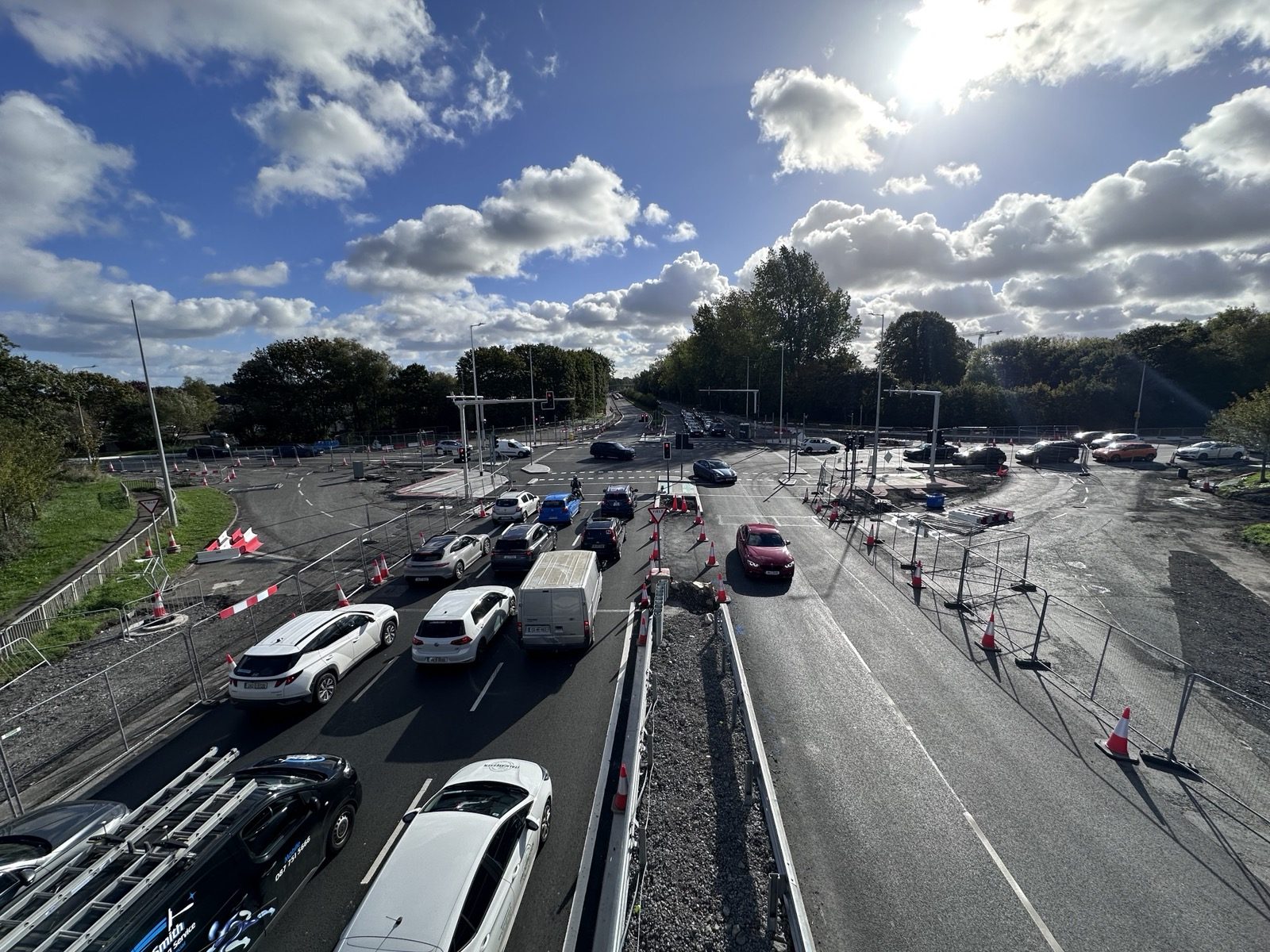
A real system, observed in public.
The R132 Estuary Junction field note shows the method: observe the operating system, separate what is visible from inference, document the constraints and link every material claim to evidence.
20-MINUTE CALL
Describe the decision you cannot make yet.
Tell us what the team cannot see, where the work happens and what a useful result would change. We will reply with a straight view on fit and the smallest useful next step.
✓Reviewed by the people who would do the work
✓No pitch deck or mailing list
Enquiry sent.
We'll review it and reply with the next useful step.